
What is Your Child’s Love Language?
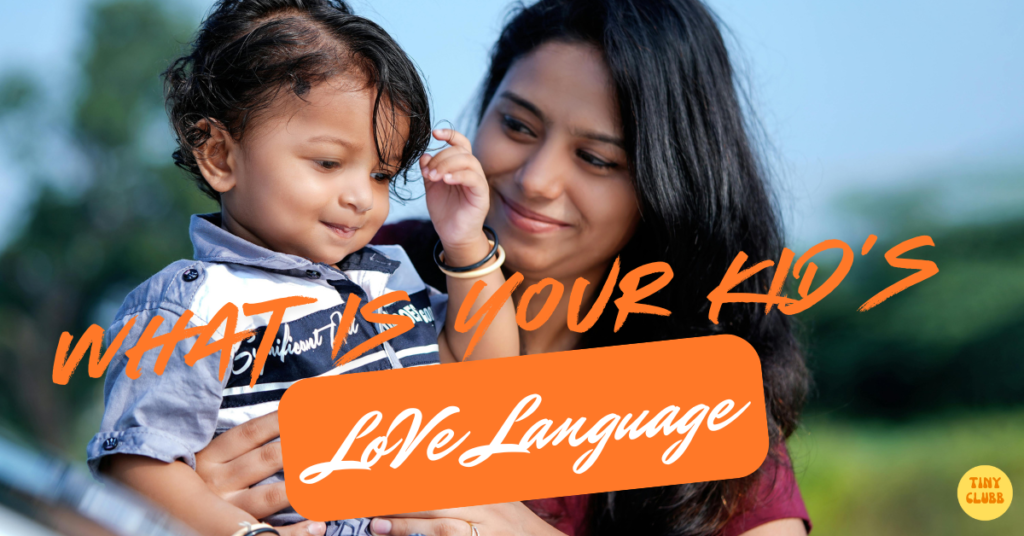
Ever wondered why your child feels unloved even when you spend most of your time in taking care of him/her?
As parents, we talk to our children all day long.
“Eat your food.”
“Finish your homework.”
“I love you.”
We talk. We guide. We correct. We explain.
And yet… there are days when it feels like our words just don’t land.
Your child….
Still ignores instructions.
Still seems distant, cranky, or misunderstood.
Here’s a gentle truth many of us don’t realize early on:
Children don’t just need love. They need love in the language they understand.
Just like adults, children have love languages — and when we speak the right one, connection becomes easier, calmer, and deeper.
What Does “Love Language” Mean for Children?
A love language is simply how your child feels most loved, safe, and valued.
For kids between 3–8 years, this is especially important because:
- They’re still learning to regulate emotions
- They don’t always have words for big feelings
- Their behavior often is their communication
So, it becomes even more important for a parent to read through a changed or disturbing behaviour of a child.
When a child’s love tank is full, they cooperate more, express emotions better, and feel secure enough to grow.
When it’s empty?
You’ll often see tantrums, clinginess, defiance, or withdrawal.
The 5 Love Languages
Most children lean strongly toward one or two of these:
1. Words of Affirmation
Children who respond to this ‘love language’ thrive on hearing loving words.
They glow when you say:
- “I’m proud of you.”
- “You tried so hard.”
- “I love how kind you were.”
Signs this is your child:
- They seek verbal praise
- They repeat nice things you say
- Harsh words affect them deeply
💡For these kids, your tone and eye contact matters just as much as your words.
2. Quality Time
This child wants to spend quality time with you — not your phone, not multitasking, just presence.
Signs this is your child:
- They say “Play with me” often
- They interrupt when you’re busy
- They light up during one-on-one time
💡 Ten focused minutes spent with them mean more than one distracted hour spent with them.
***Try our hands-on activities and stories that help strengthen parent–child bonding while creating quality time together.
3. Physical Touch
These children feel safe and loved through closeness.
Signs this is your child:
- They love hugs, cuddles, kisses and sitting close
- They reach for your hand
- They calm down when held
💡 Even a gentle hand on the back during a tough moment can work wonders.
4. Acts of Service
These kids feel loved when you do things for them — especially during emotional moments.
Signs this is your child:
- They feel comforted when you help
- They notice small things you do
- They feel upset when help is withdrawn suddenly
💡 Helping doesn’t spoil them — it reassures them.
5. Receiving Gifts
These kids love receiving gifts/surprises at a higher frequency from the parents. This isn’t about materialism — it’s about thoughtfulness. The gift can be as small as a new stationary packed nicely for participating in a competition. 😍
Signs this is your child:
- They treasure small surprises
- They remember who gave them what
- They attach meaning to objects
💡 A leaf you picked on a walk can mean more than an expensive toy.
Why Speaking Their Love Language Changes Everything
When you speak your child’s love language:
- They feel seen
- They feel secure
- They listen better because they feel understood
Discipline becomes gentler.
Instructions feel less like control and more like guidance.
Your relationship feels lighter.
And here’s the beautiful part —
You don’t need to change your personality. You just need to translate your love while keeping some important points in mind. 😊